Improve Your Chances for an Athletic Scholarship
Academics Plus Athletic Drive Make a Winning Combination
Families paying for higher education require comprehensive financial aid strategies that draw from all available resources to meet expenses. The U.S.Department of Education administers a range of student assistance programs that brings college within reach for most degree seekers. Federal Direct Loans, for example, provide low-interest financing options that allow students to borrow at competitive rates. Government-backed loans are key resources, but money borrowed for college eventually requires repayment. To avoid student debt, use academic and athletic excellence to land gift-aid scholarships that leave you free and clear after graduation.
Athletic scholarships for elite athletes are competitive; because like most merit-based financial aid, they are awarded to recognize high achievement. On the other hand; grants like those disbursed by the the stalwart federal Pell Grant program are usually awarded based on need, rather than performance. Campus financial aid administrators use scholarships and grants to establish funding for star athletes, who increase their own access to student assistance by maintaining winning combinations of scholastic excellence and outstanding athletic achievement.
Scholarships for athletes originate from a wide variety of public and private benefactors, including athletic organizations, foundations, corporations, individual universities, women’s groups and minority advocacy associations. Your access to college assistance is influenced by where you go to school, your academic major, what sport you excel in, and a host of personal characteristics germane to your academic and athletic success. Passion, commitment, talent and drive open doors to marquee athletic scholarships, as well as college funding for students who compete at smaller colleges and universities. In addition to athletic performance, scholarship eligibility takes into account:
- Academic Major
- Type of Student
- State of Residence
Use our guide to pinpoint athletic scholarships that are available for your sport – at your level of play.
National Athletic Organizations: NCAA, NAIA, NJCAA
Three primary national athletic organizations represent voluntary college and university members and provide eligibility rules and bylaws for competition. Nearly one-half million student-athletes compete annually for schools affiliated with the National Collegiate Athletic Association (NCAA), the National Association of Intercollegiate Athletics (NAIA), and the National Junior College Athletic Association (NJCAA).
Popular Athletic Scholarships
Athletic associations stand committed to protecting college athletes and advancing education among members. The most well-known and competitive athletic awards originate from key players like the NCAA, but additional opportunities exist for student athletes performing at all levels. NAIA and the NJCAA offer educational support, which opens financial aid coffers for students who participate in lower-profile athletic programs. Emerging segments of collegiate athletics, like expanded women’s sports programs, are also supported by scholarship initiatives for athletes.
NCAA Scholarships
The National Collegiate Athletic Association (NCAA) is the largest athletic association in the U.S.; representing over 1,000 member schools. Participating universities are categorized as Division I, II, or III to recognize various member school sizes and acknowledge the level of monetization of each athletic program. Individual campuses make their own rules, but must be aligned with NCAA values regarding:
- Personnel
- Recruiting
- Student Benefits
- Athlete Eligibility
- Financial Aid
- Athletic Programs
The non-profit organization advocates for student athletes and provides valuable resources for member institutions. Students position themselves for NCAA scholarships by embracing eligibility requirements and registering in the Initial Eligibility Clearinghouse. NCAA Scholarships benefit undergraduates and graduate students from each of the organization’s competitive Divisions. Division I and II Scholarships are competitive instruments used by athletic directors and coaches to lure prime talent into campus athletic programs. NCAA limits Division III participation in scholarship programs, so consult with financial aid representatives for specific information about your school.
NCAA scholarship initiatives currently include these financial aid options for student athletes:
Walter Byers Scholarships – Two scholarships are issued annually to benefit postgraduate students. Awards are renewable and valued at $24,000 each.
Jim McKay Scholarships – The legacy of the perennial broadcaster is honored with 2 annual scholarships each year. The postgraduate awards are worth $10,000 each.
NCAA Ethnic Minority and Women’s Enhancement Postgraduate Scholarship Program is open to students whose academic pursuits lead to degrees that are preparatory for careers as sports administrators. Twenty-six awards are dispensed each school year; thirteen to women and thirteen to ethinic minority applicants. Each award is worth $6000, and six scholarships are reserved for qualified Division III candidates annually.
Division I Degree Completion Grants – NCAA reserves funding specifically for student athletes who are working toward degrees, but who have exhausted their eligibility for institutional aid from their schools. The number of awards issued changes annually, based on need and available funding. Qualified applicants receive awards equivalent to the cost of tuition, fees and textbooks.
Division II Degree Completion Grants – Cash-strapped student athletes who have exhausted their financial aid eligibility on campus qualify for NCAA grants that provide tuition-only support for Division II students. Students receive benefits similar to the financial aid they qualified for during their final year of athletic eligibility.
Postgraduate Scholarships - NCAA puts-forth 174 postgraduate scholarships annually. The awards benefit men and women equally – each receive 87 of the individual gifts each year. The scholarships are equally split between fall, winter and spring collegiate athletic programs.
Division I Academic Enhancement Fund – This institutional financial aid initiative benefits students indirectly – awards are not issued to individual athletes. Instead, schools receive funding from NCAA that is earmarked for capital expenditures like equipment and facilities upgrades.
Internship Program – College graduates interested in sports administration careers are invited to participate in the NCAA internship program. Qualified applicants work at the NCAA national office in Indianapolis.
NCAA partners with organizations like The Freedom Forum to sponsor special-interest scholarships for certain student groups. Freedom Forum-NCAA Sports Journalism Scholarships benefit journalism majors attending participating member institutions.

NAIA Scholarships
The National Association of Intercollegiate Athletics (NAIA) represents a smaller contingent of member schools than the NCAA—about 350 total institutions of higher education located within Canada and the U.S. The NAIA sponsors athletic divisions I, II, and III, which are generally comprised of schools outside the scope of NCAA Division I eligibility requirements. NAIA incorporates a marked emphasis on academics into its student athlete programs. About a dozen individual sports are supported by NAIA member institutions. Key tenets of the NAIA mission foster these principles for student athletes:
- Equal Opportunity
- Fairness
- Ethical Treatment
- Access to Higher Education
- Leadership
- Sportsmanship
- Character Building
NAIA scholarship opportunities total over $450 million annually, and may be applied to approved expenses at member universities, including:
- Tuition
- Fees
- Textbooks
- Supplies
- Room and Board
The organization implements a straightforward scholarship program that designates the total number of scholarships that may be issued within each individual athletic discipline. Baseball, for instance, receives an annual allocation funding 12 full-ride scholarships. Awards can be split and shared, but may not exceed the total assigned quantity. Junior Varsity financial aid does not impact totals, and students sometimes qualify academically – excusing them from the athletic scholarship limits.
NJCAA Scholarships
Two-year colleges are represented by the National Junior College Athletic Association (NJCAA). Junior College sports with enough participants compete in separate divisions like NCAA and NAIA athletes do, but sports that draw fewer participants are not split into multiple segments. Scholarships are available for some NJCAA athletes, and academic excellence increases eligibility for NJCAA school-specific awards.
NJCAA scholarships support these men’s sports: baseball, basketball, cross country, golf, outdoor track and field, soccer, and tennis.
NJCAA scholarships assist female student athletes in sports like: basketball, cross country, fast-pitch softball, outdoor track and field, soccer, tennis, and volleyball.
For some; community college athletics are stepping-stones to four-year programs, so competition for NJCAA scholarships remains robust. NJCAA Athletes of Distinction receive campus aid that recognizes academics, community involvement and leadership potential.
Full Scholarships vs. Partial Scholarships
Star athletes are heavily recruited and receive valuable full-ride scholarships to prestigious schools. But what about the remaining 430,000 student athletes who are not household names? The fact is, athletic scholarships benefit students at all levels; including those attending smaller schools. Many programs focus on the impact of athletics on the student rather than the student on their sport. Foot Locker's scholarship application states: "Foot Locker wants to celebrate YOU- not necessarily because you scored the winning touchdown or goal- but because sports have helped you grow into a strong leader at school and in your community."
Over 125,000 student athletes receive financial assistance at participating NCAA universities, and awards are not always full-tuition affairs. Partial scholarships offset education expenses for countless students that possess desirable on-field skill-sets, but do not rise to the performance levels of collegiate superstars.
Supplemental awards for student athletes are aimed at textbooks, transportation, room and board, fees and portions of tuition that remain unpaid after other forms of aid are exhausted. Don’t sell yourself short: Pursue athletic scholarships whenever possible – even partial awards bridge affordability gaps for qualified student athletes.
Landing Scholarships from NCAA Division III Schools
Division III schools are limited by the NCAA in the amount of athletic scholarship assistance they can provide, yet most Division III colleges remain deeply vested in promoting competitive sports programs on-campus. As a result, smaller schools try to attract athletic prospects who also have great academic records. According to the Letter of Intent, a voluntary NCAA commitment clearinghouse, Division I and II schools offer athletic scholarships, while Division III institutions are limited to academics-based awards only. If your academic record sets you apart from other athletes at your Division III school, you may be eligible for academic resources that serve your athletic ambitions.
Athletic Scholarships Benefit Diverse Athletes
Athletic scholarships target athletes from a wide range of individual and team sports. Football, basketball, baseball and other mainstream programs receive the lion’s share of attention from campus athletic directors – in part because these highly-visible spectator sports bring revenue to university athletic departments. Financial aid opportunities also exist for students who participate in less-recognized sports programs.
Regional sports like lacrosse and hockey receive priority funding at schools where the sports are popular. And sports like rodeo; considered obscure in some locales, are heavily supported in the Western part of the country. Focus your athletic scholarship search on institutions that embrace your sport.
- Collegiate ice hockey scholarships include awards issued by memorial funds, hockey associations, and even professional teams like the Pittsburgh Penguins.
- Targeted rodeo scholarships are issued by colleges and universities that maintain rodeo teams, and by regional rodeo associations.
- Archery scholarships reward outstanding competitors, and originate from bow-hunters associations and individual college archery programs.
Scholarships administered by regional clubs and associations provide smaller applicant pools and specialized local funding. Use personal attributes like leadership qualities, extracurricular activities and community involvement to set yourself apart from other local applicants.
Female Athletes Earn Scholarships in Emerging Women’s Sports
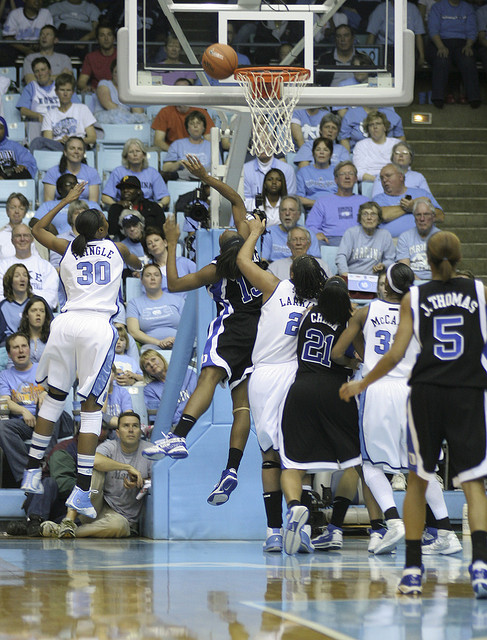
Gender equity is a rising consideration on U.S. campuses. Talented female athletes require equal representation in collegiate sports, so colleges and universities initiate gender-specific funding for a wide variety of sports programs. Financial aid for female athletes includes funding for collegiate sports like bowling, golf, and tennis.
Scholarships for women are included within Boston College’s stable of athletic financial aid.
Boston University Admissions includes 23 varsity sports – 13 of which are for women. Scholarship information is available from individual athletic departments.
Stanford University Athletic Department supports 19 women’s sports with institutional scholarships.
Top Athletes Choose Quality Programs
Top student athletes vying for Division I football scholarships and access to esteemed basketball scholarship programs excel in three areas: Competitiveness, academics and athletic ability. Some schools provide consistent financial support for student athletes. Texas, UCLA, Florida, Tennessee and other sports-oriented universities administer worthy financial aid programs for athletes. US News offers a detailed list of the schools offering the highest percentages of athletic scholarships.
NEW: Scholarship search engine: fast, free, no registration required. Try it today!
Sports
- Archery
- Badminton
- Baseball
- Basketball
- Bowling
- Cheerleading
- Cross Country
- Equestrian
- Fencing
- Field Hockey
- Football
- Golf
- Gymnastics
- Ice Hockey
- Lacrosse
- Martial Arts
- Rifle
- Rodeo
- Rowing
- Skiing
- Soccer
- Softball
- Swimming and Diving
- Tennis
- Track and Field
- Volleyball
- Water Polo
- Wrestling
Browse Scholarships
Resources
- Homework Helper
- Writing an Essay
- Selecting an Essay Topic
- Information Requests
- MLA, APA & CMS Formatting
- College Books
- Scholarship Scams
- Management Services
- Tax Credits
- Thank You Letters
- Spam-Free Searching
- Tuition Reimbursement
- College Saving Tips
